My Healthy Project
ABOUT THE PROJECT
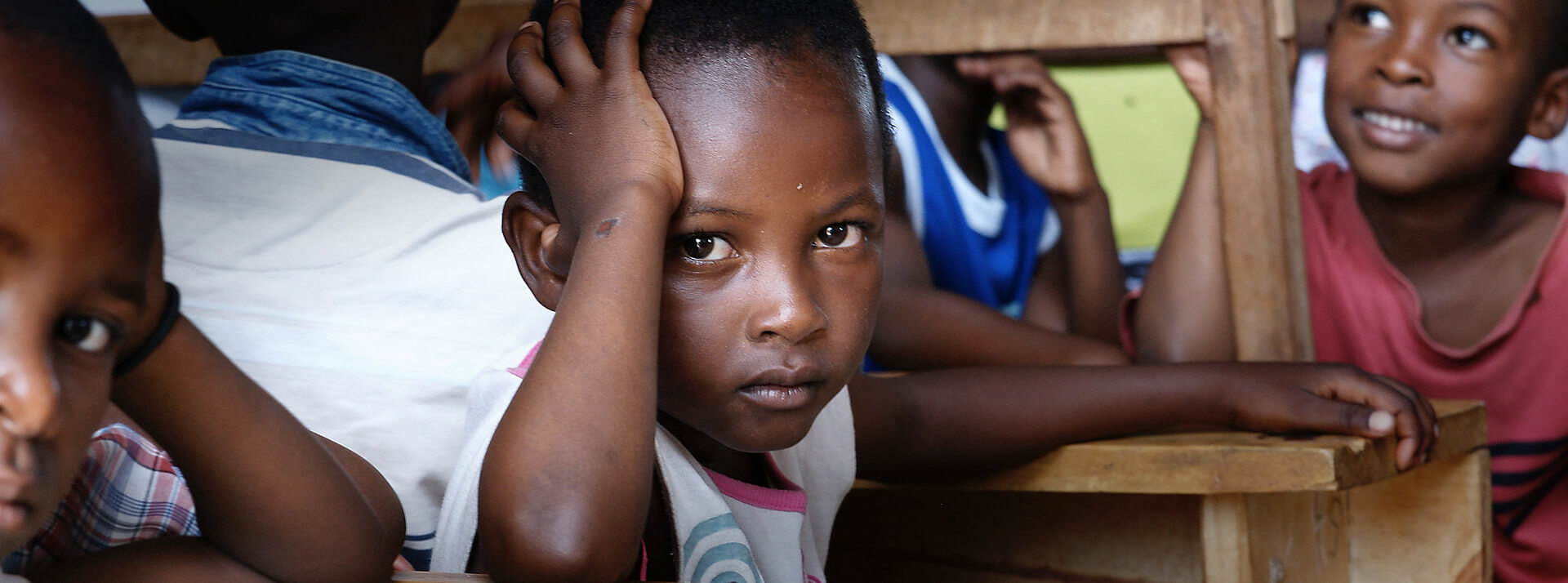
The My healthy Project aims to construct a girl-friendly menstrual hygiene management facility at Imenya Secondary School in Itwangi Ward, Shinyanga. The facility will provide a safe, private, and clean space for girls to manage their menstruation, thereby reducing absenteeism, improving academic performance, and boosting confidence among female students. It will include changing rooms, access to water and soap, sanitary pad disposal units, and hygiene education sessions. This initiative seeks to address the barriers menstruating girls face in school and promote gender equality in education through improved access to basic sanitation and health rights.
Project Beneficiaries
The project is expected to directly benefit 420 female students at Imenya Primary and Secondary School, who are the primary target group.
However project will have other beneficiaries as follows:-
- 4 female teachers and school matrons, who will have improved support infrastructure for guiding and mentoring students on menstrual hygiene.
- 80 male students, who will benefit from awareness sessions on menstrual health and hygiene, promoting gender sensitivity and supportive behavior.
- 50 parents and guardians, especially mothers, who will be involved through community engagement and sensitization meetings.
- 5 school management personnel, who will oversee the integration and maintenance of the facility.
- 10 Local community members and artisans involved in construction and sustainability activities, promoting economic and social inclusion.
The idea for this project originated from both national policy priorities and localized evidence gathered through school-level engagement. Nationally, Tanzania’s Education Sector Development Plan (ESDP 2021/22–2025/26) recognizes menstrual health and hygiene (MHH) management as a key barrier to girls’ retention in school, especially in rural and underserved areas.
The Originality of the Project Idea
According to the Ministry of Health (2020), nearly 60% of girls in Tanzania miss school during menstruation due to a lack of safe, private, and hygienic sanitation facilities. Locally, a situation analysis conducted by Green Community Initiatives (GCI) in 2024 at Imenya Secondary School, Itwangi Ward, revealed that over 42% of female students had irregular attendance due to menstruation-related challenges. This was confirmed in the school’s Annual Report (2024), which highlighted absenteeism and low academic performance among girls during examination periods. These insights validated the urgent need for a project focused on the construction of a menstrual hygiene-friendly latrine to support female students' dignity, safety, and academic success.
This project seeks to address multiple interconnected challenges affecting girls’ education and health. One of the primary issues is the high rate of school absenteeism among menstruating girls. UNESCO (2019) estimated that 1 in 10 girls in Sub-Saharan Africa miss school during their menstrual cycle, with some dropping out entirely. In Tanzania, a WaterAid study (2021) found that 76% of girls lacked access to adequate menstrual hygiene facilities in schools, contributing to reduced participation and performance. Locally, Imenya Secondary School reported in 2024 that 38 out of 90 female students (42%) missed at least three school days monthly due to menstrual discomfort and lack of private sanitation. Furthermore, the Tanzania Demographic and Health Survey (TDHS, 2022) highlights that only 43% of rural schools have gender-segregated, functional latrines. This project directly targets these gaps by creating a safe, well-equipped latrine that supports menstrual dignity, reduces absenteeism, and promotes better health outcomes for adolescent girls.
Community Engagement
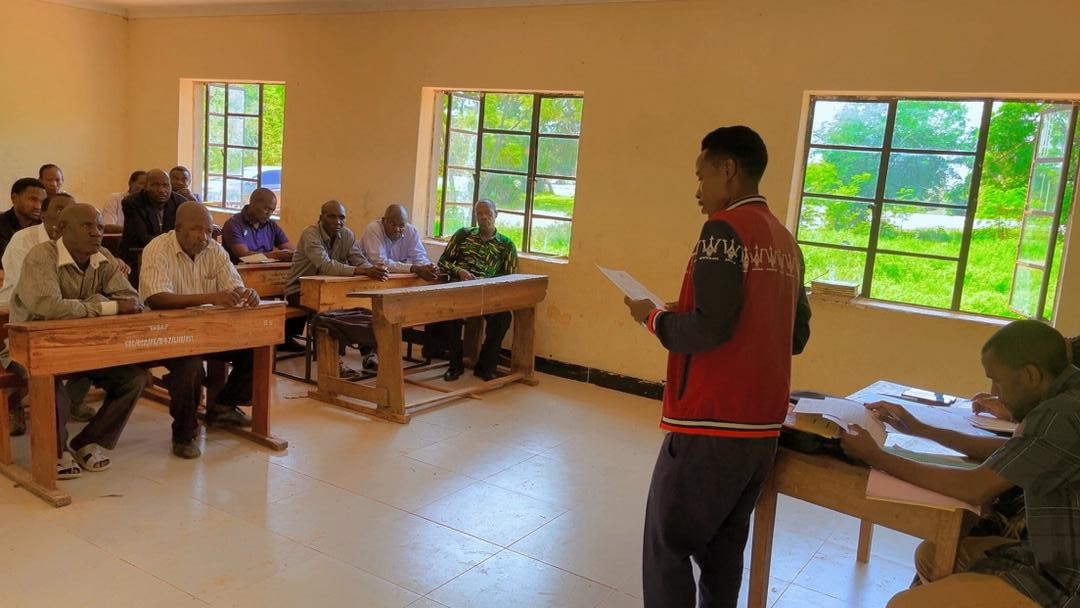
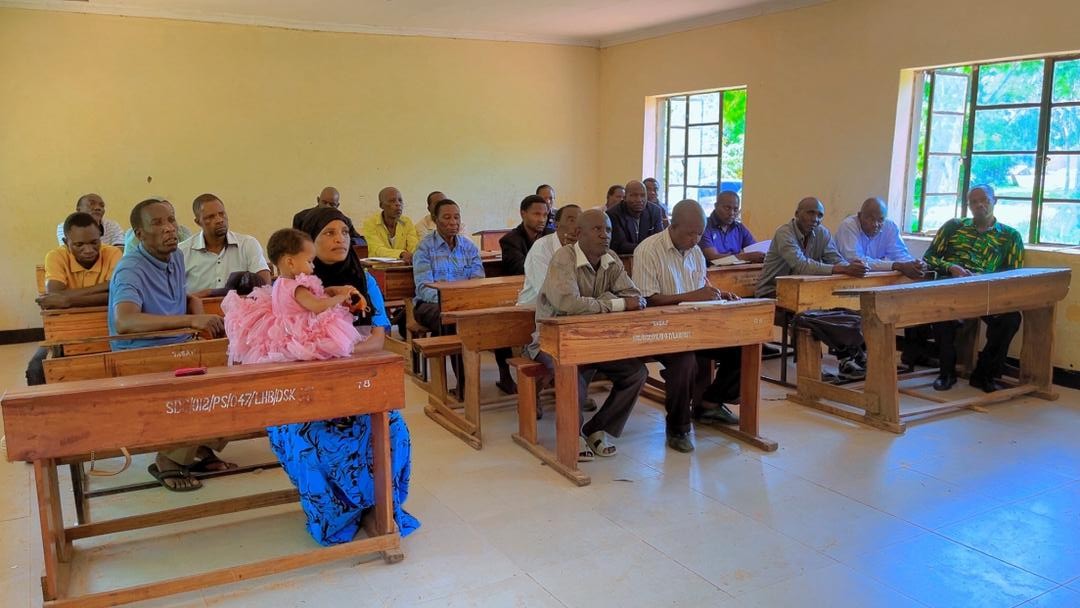
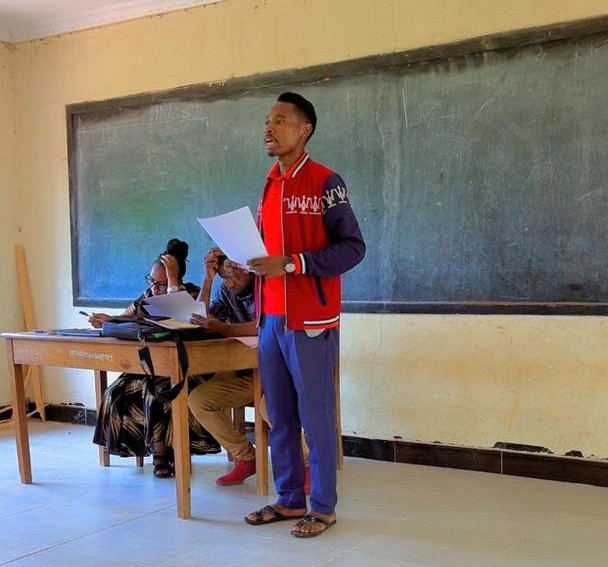
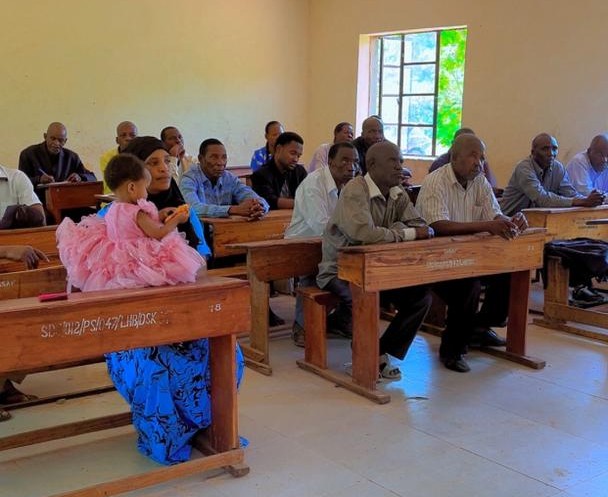
The project has been designed through participatory consultation with key community stakeholders, including the Imenya School Committee, parents, students, and local government leaders. During a community feedback session facilitated by GCI in the mid of April 2025, participants especially female students shared their experiences and emphasized the need for menstrual hygiene support within the school environment. Parents and local artisans have committed in-kind contributions (labor and materials), while the school management has pledged to oversee the ongoing maintenance of the facility. A community-based project implementation committee will be formed to monitor construction and ensure accountability throughout the process. This inclusive approach not only builds local ownership but also ensures that the project aligns with community needs and values.
Project Sustainability
To ensure long-term sustainability, GCI has developed a community-driven sustainability plan that includes school ownership, local capacity building, and institutional support. The school management will be trained on how to maintain the facility, and a maintenance committee including teachers, parents, and students will be established.
The project will also integrate menstrual hygiene education into the school’s life skills curriculum to reinforce ongoing awareness. Additionally, GCI will collaborate with the Ward Health Office and local health workers to provide periodic support and follow-ups.
The community will be encouraged to contribute toward minor repairs and supplies (e.g., soap and sanitary bins), while the school’s capitation grants may cover routine maintenance. This integrated approach ensures the facility remains functional and impactful for many years.
Monitoring and Evaluation plans
Green Community Initiatives (GCI) is fully committed to ensuring the successful implementation and long-term sustainability of this project. The project aligns with both national priorities and local needs, particularly in addressing the educational challenges faced by girls during menstruation. Through this initiative, GCI aims to create a conducive learning environment that empowers girls and ensures they have access to safe, private sanitation facilities.
In addition to the physical infrastructure, the project emphasizes educational and behavioral change by equipping both students and staff with the knowledge and skills needed to manage menstrual hygiene effectively. By involving the community in both the planning and implementation phases, we ensure that this project is deeply rooted in local needs and will be managed and maintained by the community itself in the long term.
This project also serves as an opportunity to demonstrate the effectiveness of community-driven solutions to address issues of sanitation and menstrual health in schools. The lessons learned from this intervention can be replicated in other schools within Shinyanga District and beyond. Through this work, GCI also hopes to contribute to ongoing advocacy for improved menstrual health policies at the local, district, and national levels, aligning with broader gender equality and education goals.
We value the partnership with the Friends of Tanzania in making this project a reality and are committed to ensuring transparency, accountability, and effective use of all resources. We are confident that this initiative will have a profound and lasting impact on the students of Imenya Secondary School and their community at large.
My Healthy Project
- Region Shinyanga
- Address Itwangi ward, Shinyanga District Council, Shinyanga Tanzania
- Status Ongoing
- Donate